Focus areas of the Wright Lab
The lab is organized around three interconnected lines of inquiry that together aim to map the molecular logic of cellular signaling in disease.
1. Proximal interaction networks
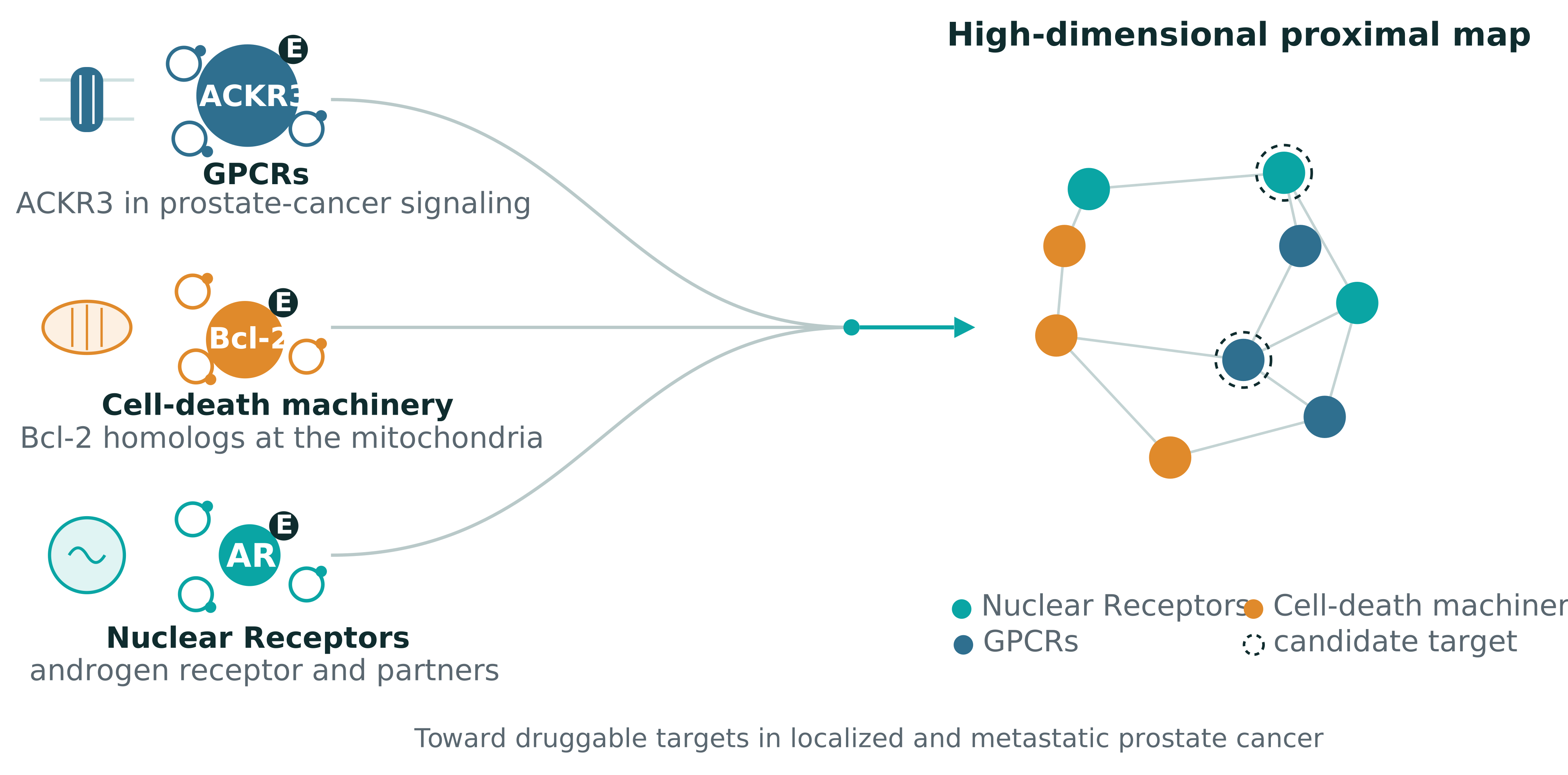
We map the protein communities that assemble around disease regulators inside living cells, with a focus on the androgen receptor and other signaling hubs in prostate cancer.
 Read more
 2. Novel proximity enzymes
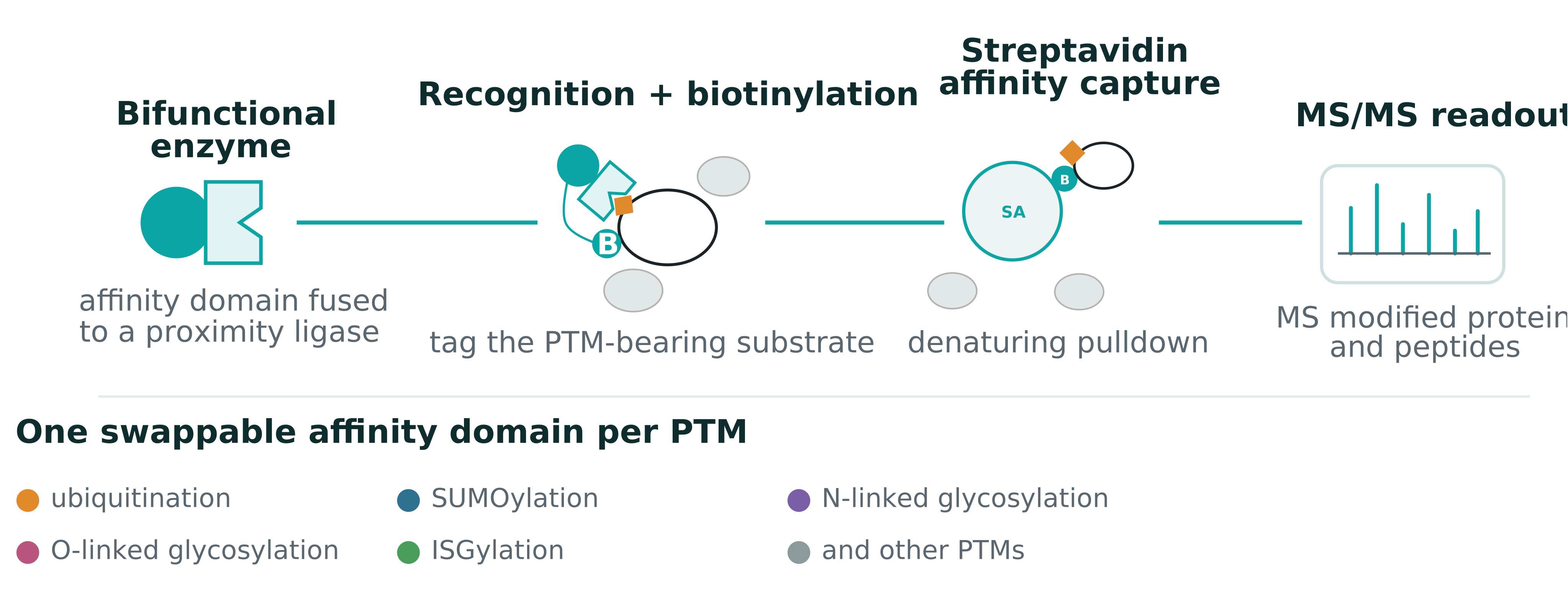
We have engineered a suite of bifunctional proximity-labeling enzymes that capture post-translational modifications in space and time so specific PTMs can be globally annotated in complex protein mixtures to facilitate the resolution of signal-mediated PTMs spatially and temporally in cells and tissues.
 Read more
 3. Reagents & methods for cell biology
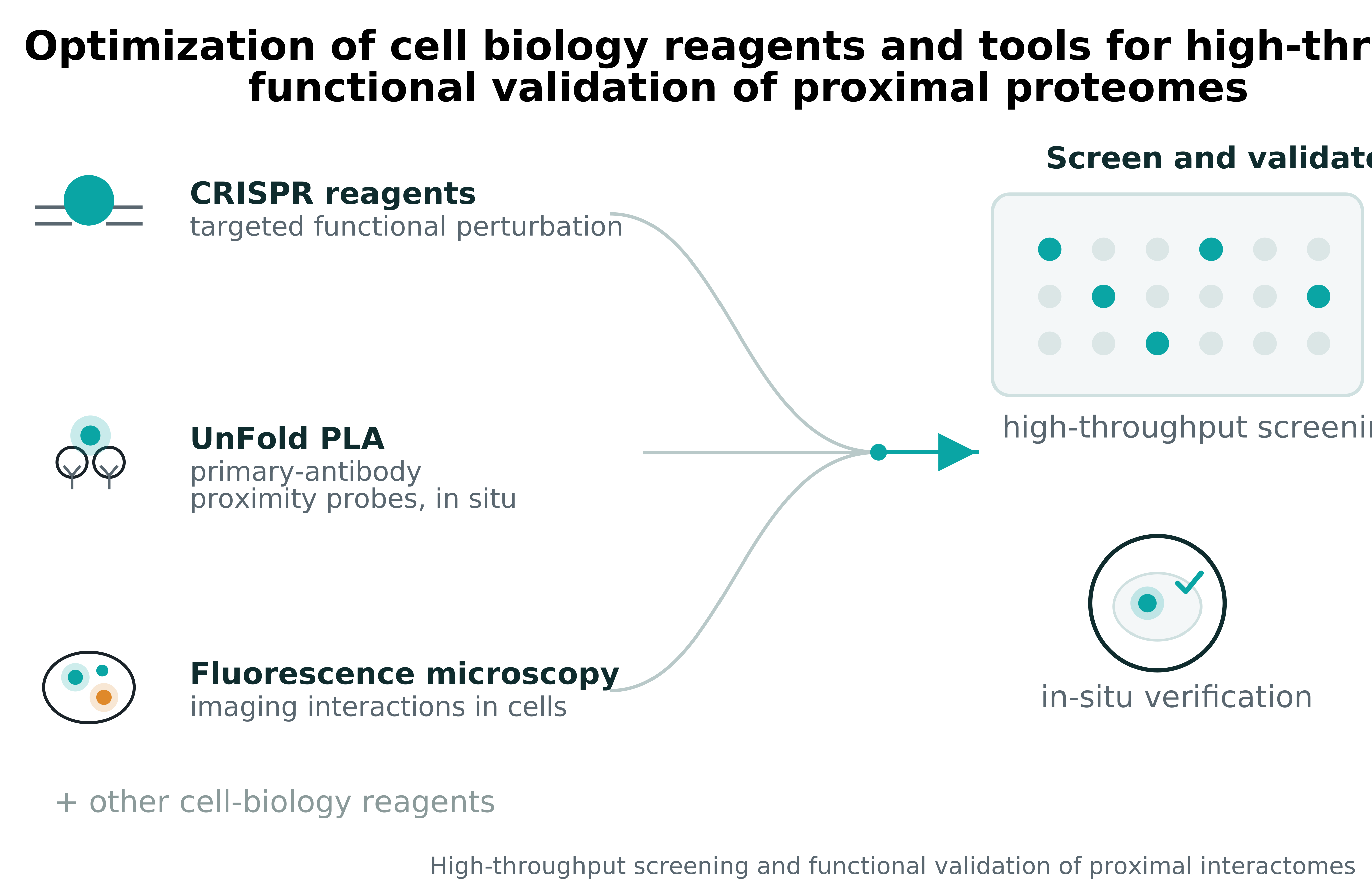
We optimize the reagents and assays, from CRISPR to in situ proximity ligation and imaging, that let us screen and functionally validate proximal interactions in cells.
 Read more